Silicon Valley by Day, Linux by Night: The Secret OS Lives of Corporate Engineers
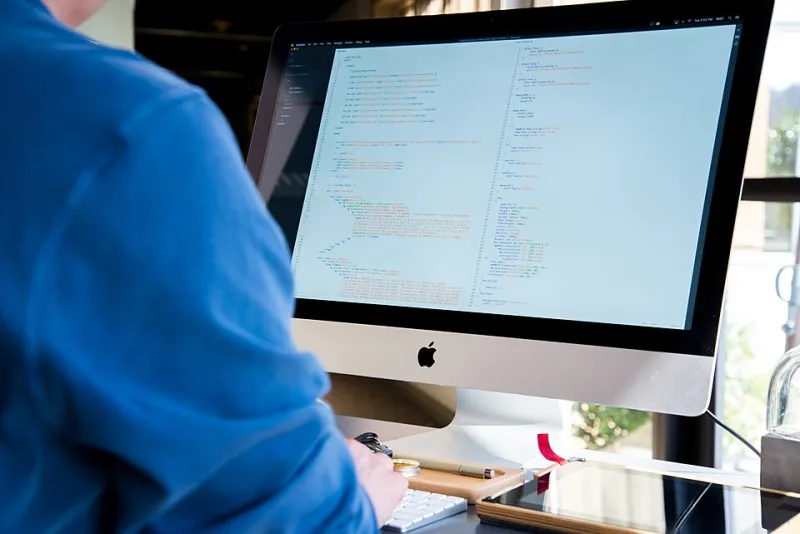
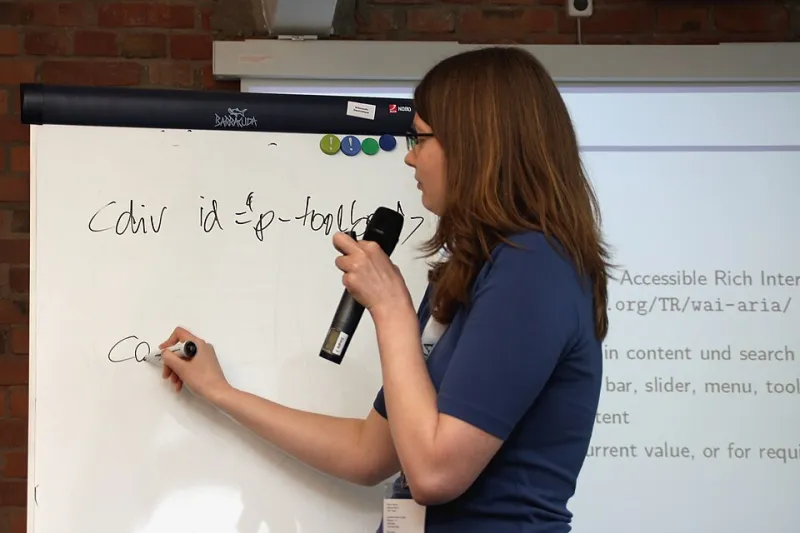
Photo: Lee Campbell leecampbell, CC0, via Wikimedia Commons
There's a quiet ritual happening in suburbs from Austin to Seattle, in home offices tucked behind kids' bedrooms and converted garages. A corporate engineer wraps up their workday — Slack closed, VPN disconnected, company MacBook shut — and then reaches for their personal machine. It boots into something their employer didn't choose for them. No MDM enrollment. No endpoint monitoring. Just them and a Linux desktop they built, configured, and own completely.
This isn't some fringe movement. It's a slow-burning cultural shift inside one of America's most influential workforces, and it's worth paying attention to.
The Numbers Are Quietly Growing
According to the 2024 Stack Overflow Developer Survey, Linux now runs on the personal machines of nearly 25% of professional developers — up from around 17% just five years ago. That might not sound dramatic, but consider the context: this is happening alongside a period when Apple's macOS dominance in dev circles has never been stronger commercially. Engineers aren't abandoning Linux because it got harder — they're running toward it because something changed in how they think about their tools.
Marco T., a senior infrastructure engineer at a Fortune 100 financial services firm in Charlotte, put it plainly when we spoke: "At work I use whatever they give me. At home, I want to actually understand the machine I'm sitting in front of. With Linux, I'm not guessing what's running in the background."
That phrase — guessing what's running in the background — came up more than once in our conversations with engineers across the country.
What's Actually Driving the Switch
Motivations vary, but they cluster around three themes: cost, control, and a growing philosophical discomfort with the direction of commercial operating systems.
Cost is the most straightforward. A maxed-out MacBook Pro can run $3,500 or more. A used ThinkPad X1 Carbon loaded with Fedora or Pop!_OS? You're looking at $400 on eBay, and it'll outperform the Mac on most dev workloads. For engineers who are already comfortable in the terminal, the hardware savings are almost embarrassing.
"I bought a four-year-old Lenovo for $350, installed Arch, and it screams," said Priya S., a backend developer based in Denver. "I genuinely cannot justify the Apple tax for personal use when I know what I'm doing."
Privacy concerns are harder to quantify but run deep. Windows 11's telemetry settings, macOS's increasingly tight integration with Apple's cloud ecosystem, and the general trend toward OS-as-a-service have made a lot of engineers uncomfortable. These are people who read changelogs. They notice when a software update quietly enables a new data-sharing feature. Linux — especially distributions like Debian, Fedora, or NixOS — gives them a level of transparency that proprietary systems simply can't match.
Philosophy is the piece that outsiders often underestimate. A surprising number of the engineers we spoke with described their Linux adoption in almost values-driven terms. Open-source software isn't just a technical choice for them — it's an alignment with a worldview that prizes community, transparency, and the right to understand and modify the tools you depend on. In an era when Big Tech feels increasingly extractive, running an OS where you can read every line of code that matters feels like a meaningful act of self-determination.
The Practical Bumps Are Real
Let's not pretend the migration is frictionless. It isn't.
Driver compatibility remains a legitimate headache on certain hardware — particularly anything involving Nvidia GPUs, fingerprint readers, or Bluetooth on newer chipsets. Gaming has improved dramatically thanks to Valve's Proton layer, but it's still not seamless for every title. And if you're deep in the Adobe Creative Cloud ecosystem, there's no clean Linux equivalent that matches Photoshop or Premiere feature-for-feature.
James R., a DevOps lead in Chicago, spent three weekends troubleshooting a Wi-Fi driver issue after switching to Ubuntu on his Asus laptop. "It was annoying," he admitted. "But honestly? I learned more about networking in those three weekends than I had in the previous two years. There's something to be said for a system that doesn't hide its problems from you."
That attitude — treating friction as a feature rather than a flaw — is surprisingly common among engineers who stick with Linux long-term. They're not masochists. They just have a different relationship with their tools than the average consumer.
What This Signals for Enterprise IT
Here's the part that should make CIOs and enterprise software vendors pay attention: the engineers quietly running NixOS at home are the same people who will eventually influence technology decisions at their companies.
When developers get comfortable with open-source tooling in their personal lives, they bring that comfort — and those preferences — into their professional work. The grassroots adoption of Linux on personal machines is a leading indicator of where enterprise infrastructure opinions are heading. We've already seen this play out with containers, with Git, with VS Code. All of it started as something engineers chose for themselves before it became standard practice.
The companies that figure out how to meet these engineers where they are — rather than defaulting to expensive proprietary stacks out of habit — are going to have a real advantage in developer satisfaction and retention.
The Hype Is Earned
At HypeOS, we believe the best technology is the kind you actually control. The engineers running Linux at home aren't doing it because it's trendy or because some tech influencer told them to. They're doing it because it works, because it respects their intelligence, and because it aligns with a vision of computing that puts the user — not the vendor — in the driver's seat.
The great migration isn't a rebellion. It's a quiet, practical choice being made by some of the most technically capable people in the country. And it's accelerating.
If you're a developer who's been curious but hesitant, there has never been a better time to spin up a VM, grab an ISO, and see what your machine can actually do when it's yours.