Yours to Fix: Open-Source Hardware Fighters Are Breaking Big Tech's Repair Monopoly
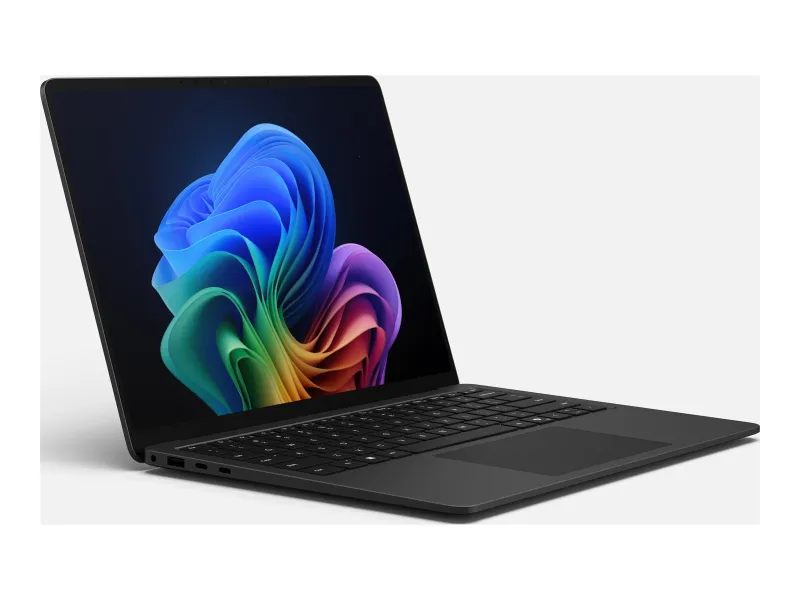
Photo: laptop repair disassembly open circuit board tools workbench, via cdn.cs.1worldsync.com
Let's talk about the screws. Not metaphorically — literally. Apple spent years using proprietary Pentalobe screws specifically designed to prevent you from opening your own device. Not because it made the product better. Not because it improved your experience. Because a device you can't open is a device you can't fix, and a device you can't fix is a device you'll eventually replace.
That's the business model. And it's been wildly profitable.
But something is cracking — and it's not just the back glass on an iPhone 14 dropped from waist height. A growing coalition of engineers, activists, legislators, and open-source builders is dismantling the manufactured dependency that Big Tech has spent decades constructing. The right to repair your computer is no longer a fringe argument. It's a movement with momentum, money, and some serious technical firepower behind it.
How We Got Locked Out of Our Own Machines
The lockdown didn't happen overnight. It was a slow accumulation of decisions, each one individually defensible, collectively catastrophic for consumer autonomy.
Soldered RAM. Glued batteries. Software locks that disable components when "unauthorized" parts are detected. Proprietary diagnostic tools that only authorized service centers can access. Firmware that bricks a device if it detects a third-party repair. These aren't accidents or engineering constraints — they're deliberate architecture.
The consequences fall hardest on people who can least afford them. When a $1,200 laptop becomes a $600 repair job because the only "authorized" option is a logic board replacement, that's a regressive tax on everyone who isn't wealthy enough to just buy a new one. When a school district's fleet of Chromebooks gets bricked by a firmware update and the manufacturer's response is "buy new ones," that's a policy failure with real kids on the wrong end of it.
And then there's the environmental angle. The EPA estimates that Americans generate over 6 million tons of e-waste annually. A significant chunk of that is perfectly functional hardware that became disposable because repair was designed out of the equation.
The Open-Source Counter-Strike
While lobbyists for the major manufacturers were busy arguing that letting you fix your own laptop was somehow a security threat, a different kind of infrastructure was being built from the ground up.
Coreboot — the open-source firmware project — has been quietly replacing the locked-down BIOS/UEFI systems on supported hardware for years. It runs faster, ships without the telemetry and backdoors baked into proprietary firmware, and gives users actual visibility into what their machines are doing at the lowest level. Organizations like the Electronic Frontier Foundation have been championing it for over a decade. Chromebooks running MrChromebox's Coreboot scripts have become a beloved entry point for people who want to liberate cheap, widely available hardware.
Then there's System76, the Denver-based hardware company that ships laptops with open-source firmware, publishes its schematics, and has been developing COSMIC, a fully open desktop environment built from scratch. They're not playing in the same market as Apple — they're building a different market entirely, one where the buyer actually owns what they paid for.
Framework Laptop deserves its own paragraph. What Framework did — releasing a modular, repairable, upgradeable laptop with a real marketplace for replacement parts — felt almost radical when it launched. Expansion cards you swap out. A display you can replace without a heat gun and a prayer. Mainboards you can upgrade as new generations release. It proved, with actual sales numbers, that there's a real market for hardware that respects the person buying it.
Legislative Wins That Actually Matter
For a long time, right-to-repair legislation felt like Groundhog Day — bills introduced, lobbyists dispatched, bills killed. That pattern is finally breaking.
Minnesota passed a comprehensive Digital Fair Repair Act in 2023, becoming one of the strongest right-to-repair laws in the country. California passed its own version. New York's law, while watered down from its original form, still represents a meaningful shift. And at the federal level, the FTC has signaled — loudly — that it views repair restrictions as anti-competitive practices worth scrutinizing.
The pressure is working. Apple reversed course and launched its Self Repair Program, offering genuine parts and manuals to consumers — something it spent years insisting was impossible without compromising device integrity. The reversal was grudging and imperfect, but it was a reversal. John Deere, facing a bipartisan coalition of angry farmers who couldn't fix their own tractors, struck a memorandum of understanding with the American Farm Bureau. These aren't victories — they're opening concessions.
The People Building the Alternative
Beyond the legislation and the firmware projects, there's a human infrastructure holding all of this together. iFixit, the repair manual platform out of San Luis Obispo, California, has built the largest free library of device repair guides on the internet while also lobbying aggressively for repair-friendly policy. Its CEO, Kyle Wiens, has become one of the most effective public voices on the issue — someone who can explain why a pentalobe screw is a political act without losing a mainstream audience.
At the community level, hackerspaces and repair cafes have proliferated across American cities, offering the tools, knowledge, and peer support that make DIY repair accessible to people without an engineering background. These aren't just hobbyist clubs. They're nodes in a distributed network that's rebuilding technical literacy from the ground up.
And then there are the developers contributing to open-source firmware projects in their spare time — people who find it genuinely offensive that the hardware they bought is running code they can't inspect, can't modify, and can't trust. For them, this isn't advocacy. It's a technical problem with a technical solution, and they're writing the fix.
What Actual Ownership Looks Like
Here's the thing that gets lost in the policy debates and the technical weeds: this is fundamentally about what it means to own something. When you buy a device that you can't repair, can't modify, and can't run alternative software on — what have you actually purchased? You've bought a license to use a product on the manufacturer's terms, for as long as the manufacturer decides to support it, at whatever price they set for service.
That's not ownership. That's a subscription with extra steps.
The open-source hardware community is building a different answer. One where the schematics are public, the firmware is auditable, the parts are available, and the knowledge to fix it is free. It's messier than buying a sealed box from a big-box store. It requires more from the user. But it produces something the sealed box never can: a device that's actually yours.
The battle isn't won. But for the first time in a long time, it looks genuinely winnable.